Corset Measuring Guide: A Comprehensive Plan (Updated 04/22/2026)
Achieving a flawless corset fit begins with precise measurements! Utilize our calculator or consult a sizing expert for personalized recommendations, ensuring comfort and style.
Corset sizing differs significantly from standard clothing sizes. A precise fit is crucial for both comfort and achieving the desired silhouette.
Ignoring proper measurement can lead to discomfort, restricted movement, or even damage to the corset itself.
This guide provides a detailed, step-by-step approach to accurately determine your corset size.
We’ll cover locating key body points, utilizing the correct measuring techniques, and understanding how to interpret size charts.
Orchard Corset offers a helpful calculator and expert consultations to simplify the process, ensuring you find the perfect fit for your unique body shape and desired style.
Understanding Corset Types & Their Impact on Measurement
Different corset styles require slightly adjusted measurements. Overbust corsets, encompassing the bust, necessitate a precise bust measurement for optimal support and shape.
Underbust corsets focus on the waist and ribcage, prioritizing accurate waist and underbust measurements.
Waist trainers, designed for temporary waist reduction, also rely heavily on waist measurements.
Understanding these distinctions is vital; a size appropriate for an underbust corset may not fit an overbust style. Always consult the specific brand’s size chart, as variations exist.
Overbust Corsets
Accurate bust measurement is paramount for overbust corsets. Measure over the fullest part of your bust while wearing a non-padded bra – avoid minimizing or push-up styles. Ensure the measuring tape is level all around your body.
Combine this bust measurement with your natural waist measurement for a comprehensive size determination. Overbust corsets provide significant shaping, so consider your desired silhouette when selecting a size. Refer to the brand’s specific chart for the best fit.
Underbust Corsets
For underbust corsets, focus on your natural waist and underbust measurements. Locate your underbust by finding the band that sits directly beneath your breasts. Measure snugly, but not tightly, ensuring the tape is level.
Combine this underbust measurement with your waist measurement to determine the appropriate corset size. Underbust corsets emphasize the waist, so consider your desired level of waist reduction. Always consult the specific brand’s size chart for accurate results.
Waist Trainers
Waist trainers, similar to underbust corsets, require accurate waist measurements. However, they often prioritize a tighter, more compressive fit. Measure your natural waist, ensuring the tape is comfortably snug.
Refer to the brand’s specific size chart, as waist trainer sizing can differ significantly from traditional corsets. Consider your desired level of compression and waist reduction when selecting a size. Orchard Corset offers guidance and expert advice for optimal fit.
Essential Tools for Accurate Measurement
Precise corset sizing demands the right tools! A flexible measuring tape is paramount, conforming to your body’s curves without constriction. A full-length mirror allows for visual confirmation of proper tape placement.
While optional, assistance from another person can ensure accuracy, especially for back measurements. These tools, combined with careful technique, will help you determine your correct corset size, leading to a comfortable and flattering fit.
Flexible Measuring Tape
A flexible measuring tape is the cornerstone of accurate corset sizing. Avoid rigid metal tapes, as they won’t conform to your body’s natural curves. Opt for a tape made of fabric or vinyl, ensuring it bends easily without stretching.
Ensure the markings are clear and legible for precise readings. This simple tool, when used correctly, is vital for obtaining the measurements needed to find your perfect corset fit.
Mirror (Full-Length Recommended)
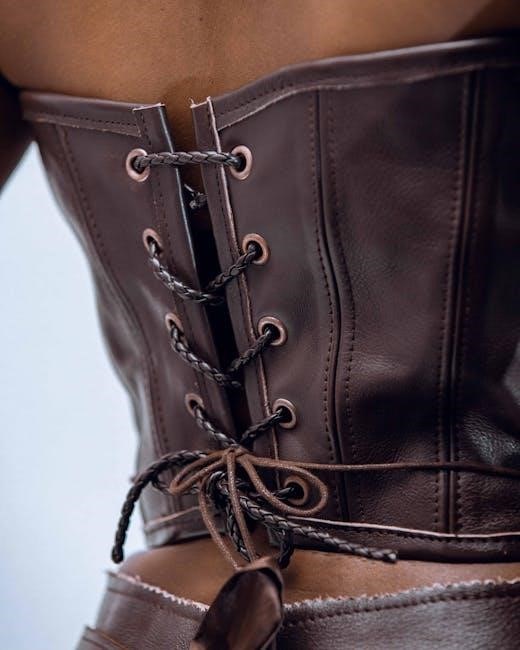
A full-length mirror is incredibly helpful during the measurement process. It allows you to visually confirm the measuring tape’s placement and ensure it remains level around your body. This is particularly important when locating your natural waist or underbust.
While not strictly essential, a mirror minimizes errors and promotes confidence in your measurements, leading to a more accurate corset size selection and a better fit overall.
Assistance (Optional, but Helpful)
Having a friend assist with your measurements can significantly improve accuracy, especially for back measurements. Reaching around to measure your own back can distort the tape and lead to incorrect readings.
An assistant can ensure the tape is level and snug, but not tight, providing a more reliable measurement. While you can measure independently, assistance is highly recommended for optimal results and a perfectly fitted corset.
Taking Your Natural Waist Measurement
Your natural waist is the smallest part of your torso, typically located between your ribcage and hipbones. To find it, bend to the side; the crease that forms is generally your natural waistline.
Keep the measuring tape relaxed, not pulled tight, and ensure it’s level all the way around your body. Breathe normally and record this measurement accurately, as it’s crucial for determining your corset size.
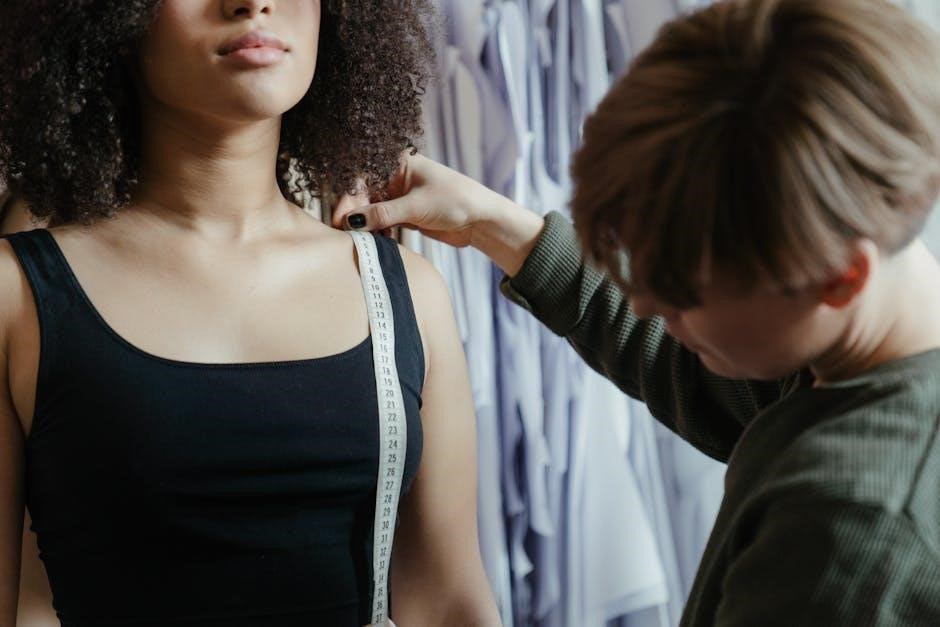
Locating Your Natural Waist
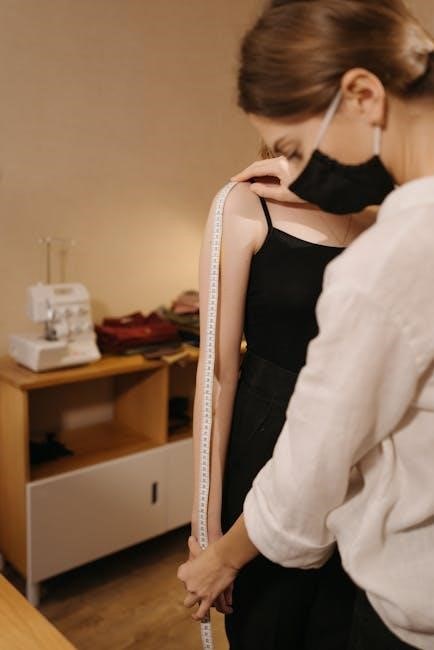
Identifying your natural waist is key to accurate corset sizing. It’s usually the narrowest part of your torso, distinct from your anatomical waist. A simple method involves bending sideways; the crease that develops indicates your natural waistline.
Alternatively, find it by tying a ribbon around your midsection until it sits comfortably without digging in. This point serves as the foundation for precise measurements, impacting fit and comfort;
Correct Measuring Technique (Relaxed)
When measuring your natural waist, maintain a relaxed posture. Don’t suck in your stomach or flex your muscles; breathe normally. Keep the measuring tape parallel to the floor, ensuring it’s snug but not constricting.

Avoid pulling the tape too tightly, as this will result in an inaccurate measurement and an ill-fitting corset. A comfortable, natural stance is crucial for obtaining the correct waist circumference.
Taking Your Underbust Measurement
To determine your underbust measurement, locate the band directly beneath your breasts where your bra typically sits. Wrap the measuring tape around your torso at this point, ensuring it’s level all the way around.
The tape should be snug, but not overly tight – you should be able to comfortably breathe. Record this measurement as it’s vital for underbust corset sizing and achieving a secure, supportive fit.
Locating Your Underbust
Finding your underbust is crucial for accurate corset sizing. It’s the area of your torso immediately below your breasts, where a traditional bra band would rest.
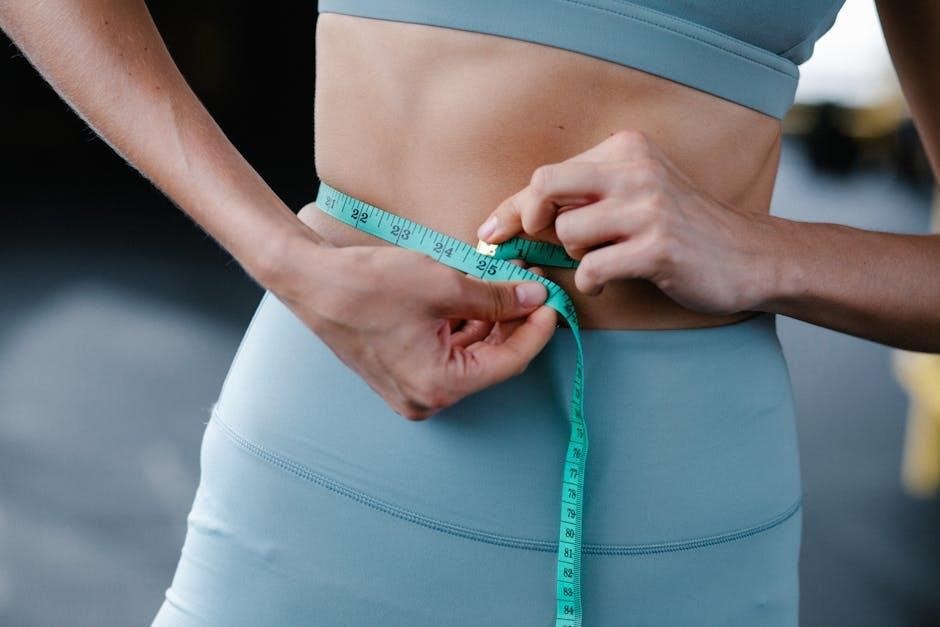
To pinpoint it, gently feel for the natural crease or indentation beneath your breast tissue. This is typically where your ribcage curves inward. Ensure you’re standing naturally and breathing normally when locating this point for the most precise measurement.
Correct Measuring Technique (Snug, but not Tight)
Wrap the measuring tape around your underbust, ensuring it sits level all the way around your torso. The tape should be snug – close to your skin – but not constricting.
Avoid pulling the tape too tightly, as this will result in an inaccurate, smaller measurement. You should be able to comfortably slide a finger or two between the tape and your body. Exhale naturally while taking the reading for a relaxed, accurate result.
Taking Your Bust Measurement

To obtain an accurate bust measurement, wrap the measuring tape around the fullest part of your bust. Ensure the tape is level across your back and under your arms, avoiding any compression.
It’s crucial to wear a non-padded bra during this process, as padding can significantly alter the measurement. Breathe normally and maintain a relaxed posture. Record the measurement in inches or centimeters for consistent results when referencing size charts.
Measuring Over the Fullest Part of Your Bust
Locating your fullest point is key! This isn’t necessarily your nipples; it’s the most prominent part of your bust when viewed from the side. Wrap the measuring tape around your body at this point, ensuring it’s parallel to the floor.
Avoid pulling the tape too tightly – it should be snug, but not constricting. A comfortable, accurate measurement here is vital for determining the correct corset size and achieving a flattering fit.

Wearing a Non-Padded Bra During Measurement
Accuracy demands a natural bust shape! When taking your bust measurement, always wear a non-padded, everyday bra. Padded bras artificially enhance your bust size, leading to inaccurate measurements and a poorly fitting corset.
A supportive, yet unpadded, bra provides the most realistic representation of your natural form. This ensures the corset will properly accommodate and enhance your silhouette, delivering optimal comfort and shaping.
Calculating Your Corset Size – Orchard Corset Method
Orchard Corset utilizes a waist-to-bust ratio for precise sizing! Begin by subtracting your natural waist measurement from your fullest bust measurement. This difference, combined with their size chart, determines your ideal corset size.
This method considers individual body proportions, offering a more tailored fit than relying solely on standard clothing sizes. Consult Orchard Corset’s detailed chart for specific recommendations based on your calculated ratio.
Using the Waist-to-Bust Ratio
The waist-to-bust ratio is fundamental to corset sizing! It reveals the difference between your fullest bust circumference and your natural waist measurement. This ratio dictates the degree of shaping a corset provides and influences size selection.
A larger ratio indicates a more significant waist reduction is desired, potentially requiring a different corset style. Orchard Corset emphasizes using this ratio alongside their size chart for optimal results, ensuring a comfortable and flattering fit.
Understanding Size Charts (Specific to Brand)
Corset sizing isn’t standardized; each brand utilizes unique size charts! Relying on a generic chart can lead to a poor fit. Orchard Corset, for example, provides detailed charts specific to their designs.
Always consult the manufacturer’s chart, matching your measurements precisely. Pay attention to whether the chart uses inches or centimeters. Remember, a waist-to-bust ratio, combined with the brand’s chart, delivers the most accurate size determination.
Common Sizing Mistakes to Avoid
Several errors frequently occur during corset measurement! Measuring over clothing adds unnecessary bulk, skewing results; Pulling the tape too tight compresses your body, yielding a smaller, inaccurate measurement.
If you fall between sizes, consider the corset’s style and desired reduction. Often, choosing the larger size provides greater comfort and adjustability. Prioritize accurate, relaxed measurements for a truly flattering fit, avoiding frustration later.
Measuring Over Clothing
Avoid measuring over clothing for accurate corset sizing! Garments, even thin ones, add bulk and distort your natural waist, bust, and underbust measurements. This leads to an incorrectly determined corset size and a poor fit.
Always measure directly against your skin, or over a light, non-padded layer. This ensures the measuring tape reflects your true body contours, resulting in a corset that comfortably and effectively shapes your figure.
Pulling the Measuring Tape Too Tight
Resist the urge to pull the measuring tape excessively tight! This is a common error that drastically inflates your measurements, leading to a corset that’s too small and uncomfortable. The tape should lie flat against your body, offering a snug but not constricting fit.
Ensure you can comfortably breathe while measured. A too-tight measurement won’t accurately reflect your relaxed body shape, resulting in a corset that feels restrictive and doesn’t lace properly.
What to Do If You’re Between Sizes
Finding yourself between corset sizes is surprisingly common! When this happens, generally, it’s best to choose the larger size for greater comfort and ease of lacing. A slightly larger corset is easier to adjust and modify for a perfect fit.
However, also consider the corset style and your desired waist reduction. If you want significant shaping, the smaller size might be preferable, but be prepared for a more challenging break-in period.
Choosing the Larger Size for Comfort
Opting for the larger size when between measurements prioritizes comfort and ease of wear. A slightly roomier corset allows for easier breathing and movement, especially during the initial break-in period. It also provides more flexibility with lacing and adjustments.
Remember, a corset should enhance your shape, not restrict your life! A comfortable fit encourages consistent wear, leading to better results and a more enjoyable experience.
Considering Corset Style and Desired Reduction

Your chosen corset style and the level of waist reduction you desire significantly impact sizing. Underbust corsets generally require a more precise waist measurement than overbust styles.
If aiming for substantial reduction, consider a size slightly larger than your current waist measurement to accommodate comfortable lacing. Remember, a gradual reduction is key; avoid attempting extreme cinching immediately. Different brands also offer varying levels of reduction, so review product details carefully.
Understanding Corset Lacing & Gap
Proper lacing is crucial for achieving a secure and comfortable fit. A lacing gap – the space between the facing and the corset’s back panel when laced – is essential for adjustability and waist reduction.
Initially, a gap of 2-3 inches is typical, allowing for gradual cinching. Avoid fully closing the gap, as this restricts movement and can damage the corset. Adjust the lacing evenly to distribute pressure and create the desired silhouette.
The Importance of a Lacing Gap
A lacing gap isn’t a flaw; it’s a fundamental design element! This space, between the corset’s back panels, allows for personalized adjustments and gradual waist reduction over time. Never lace a corset completely closed.
The gap provides breathing room, facilitates comfortable movement, and prevents damage to the corset’s structure. A typical gap starts at 2-3 inches, enabling progressive cinching without strain. Maintaining this gap ensures a safe and effective corset-wearing experience.
Adjusting the Lacing for a Perfect Fit
Achieving the ideal fit involves gradual and even lacing adjustments. Begin by loosening all laces, then gently tighten from the top and bottom, working your way towards the center.
Ensure equal tension on both sides to avoid distortion. Listen to your body! Tighten only to a comfortable level, allowing for breathing and movement. Regular, small adjustments are preferable to drastic cinching, promoting a safe and flattering silhouette.
Measuring for Steel Boned vs. Plastic Boned Corsets
While measurements remain consistent, consider the corset’s structure. Steel boned corsets offer more support and shaping, potentially requiring a slightly snugger fit than plastic boned versions.
Plastic boned corsets are generally more flexible and forgiving. Accuracy is key for both! However, if you’re between sizes for a steel-boned corset, opting for the smaller size might be appropriate, prioritizing a secure and supportive fit.
Sizing for Different Body Shapes
Body shape significantly impacts corset fit. Hourglass figures often find standard sizing effective, while those with straighter builds may need adjustments. Consider your unique proportions!
Individuals with wider hips or a fuller bust might require corsets with a more accommodating hip spring or bust panel. Don’t solely rely on waist measurements. Prioritize a comfortable and supportive fit across your entire torso, ensuring the corset complements your natural curves.
Custom Corset Sizing Considerations
For a truly perfect fit, consider a custom corset! This requires detailed measurements beyond standard waist, bust, and underbust. Provide precise measurements of your shoulder width, back length, and hip spring.
A skilled corsetiere will account for individual variations and posture. Communicate your desired silhouette and reduction goals clearly. Custom corsets offer unparalleled comfort and shaping, tailored specifically to your body, ensuring a flattering and supportive experience.
International Size Conversions
Corset sizing varies significantly between regions! Don’t rely solely on your usual dress size. European, UK, and US sizing systems differ. Always consult the specific brand’s size chart, as they often provide conversions.
Utilize online conversion tools as a starting point, but prioritize measurements over estimated sizes. Pay close attention to centimeter or inch specifications. Accurate measurements are crucial for a proper fit, regardless of your location.
Where to Find Reliable Corset Size Charts
Brand websites are the most trustworthy source! Orchard Corset provides a detailed sizing guide and calculator directly on their site. Look for dedicated sizing pages, often linked in product descriptions. Avoid generic size charts as corset construction varies greatly.
Reputable corset retailers also offer accurate charts. Check online forums and communities for shared experiences and brand-specific sizing advice. Prioritize charts that request measurements, not just standard clothing sizes.
Dealing with Corset Fit Issues After Purchase
Don’t panic! Minor fit issues are common. First, re-check your measurements and compare them to the size chart. Adjust the lacing – a significant gap is normal and allows for customization. If issues persist, contact the retailer or corset maker.
Consider a corset modification by a professional seamstress. Exchanges or returns may be possible within the retailer’s policy. Document any issues with photos before contacting support for a smoother resolution.
Resources for Further Assistance (Sizing Experts, Online Forums)
Need personalized guidance? Orchard Corset offers sizing experts via chat for direct assistance. Explore dedicated online forums like those on Reddit (r/Corsets) for community support and shared experiences. These platforms provide valuable insights from experienced corset wearers.
Consult reputable corset retailers; many offer detailed fitting advice. Review brand-specific guides and FAQs. Remember, a well-informed decision leads to a comfortable and flattering corset fit!
Achieving the Perfect Corset Fit
Ultimately, a perfect corset fit blends accurate measurements with understanding your body and desired silhouette. Don’t hesitate to utilize available resources – sizing experts and online communities are invaluable.
Prioritize comfort and a secure lacing gap. Remember, corsets are transformative garments, but proper fit is paramount. Embrace the journey of finding your ideal corset and enjoy the confidence it brings!