Mercury Throttle Control Manual: A Comprehensive Guide
This manual details the installation‚ adjustment‚ and troubleshooting of Mercury throttle control systems‚ ensuring optimal performance and a safe boating experience.
Mercury throttle control systems are engineered for smooth‚ precise operation‚ directly impacting boating enjoyment and safety. These systems translate the operator’s commands from the remote control into engine functions‚ managing both throttle and shift mechanisms. Understanding these systems is crucial for proper installation‚ maintenance‚ and troubleshooting.
Effective control relies on a synchronized interplay between the remote control unit‚ throttle and shift cables‚ and the engine-side connections. Correct adjustment ensures full throttle range and reliable gear engagement. Ignoring proper procedures can lead to performance issues‚ increased wear‚ or even hazardous operating conditions. This guide provides detailed instructions for all aspects of Mercury throttle control systems.
Understanding the Components
A Mercury throttle control system comprises several key components working in harmony. The throttle cable transmits engine speed commands‚ while the shift cable manages gear selection. The remote control unit‚ mounted at the helm‚ houses the levers and mechanisms for operator input.
Crucially‚ proper engine-side connections ensure accurate translation of cable movement into engine action. These connections must be secure and free of binding. Each component plays a vital role; a malfunctioning part compromises the entire system; Familiarity with these elements is essential for effective diagnosis and repair‚ guaranteeing optimal performance and safety on the water.
Throttle Cable
The throttle cable is the vital link between the remote control and the engine’s carburetor or fuel injection system. It directly influences engine speed‚ demanding precision and reliability. Constructed from durable‚ multi-strand wire‚ it’s encased in a protective sheath to minimize friction and ensure smooth operation.
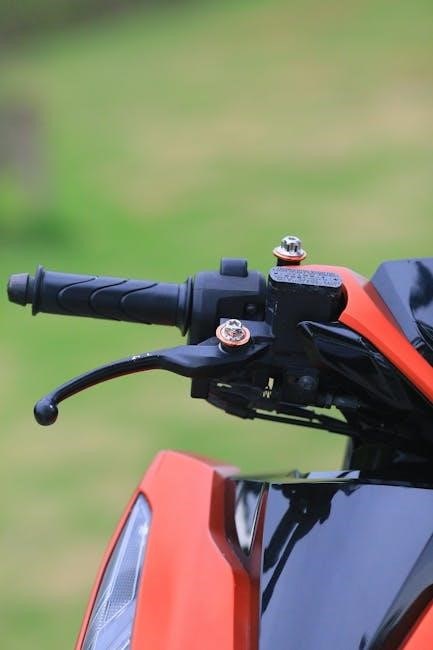
Adjustment is critical; the cable must allow for full throttle range without binding. Regular inspection for fraying or corrosion is essential for safety. A properly functioning throttle cable delivers responsive control‚ enhancing the boating experience and preventing potential engine damage.
Shift Cable
The shift cable facilitates gear selection – forward‚ neutral‚ and reverse – connecting the remote control to the outboard motor’s shift mechanism. Precise engagement is paramount for safe maneuvering and preventing drivetrain stress. Like throttle cables‚ shift cables utilize a multi-strand wire within a protective sheath.
Correct installation and adjustment are crucial‚ ensuring complete gear engagement and preventing accidental shifting. Regular checks for wear‚ corrosion‚ and proper lubrication are vital for smooth‚ reliable operation. A well-maintained shift cable guarantees responsive control and a secure boating experience.
Remote Control Unit
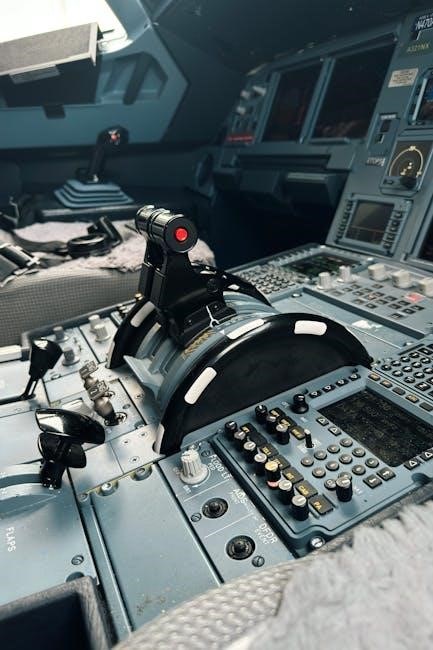
The remote control unit‚ typically mounted at the helm‚ serves as the operator’s interface for controlling both throttle and shift functions. It houses the levers and mechanisms that translate hand movements into cable adjustments. These units are designed for smooth‚ precise control‚ enhancing the boating experience and safety.

Installation involves secure mounting and proper cable connections. Internal components require periodic inspection and lubrication to maintain responsiveness. Understanding the unit’s operation and ensuring its proper function are essential for effective boat control and preventing operational issues.
Engine-Side Connections
Engine-side connections are critical points where the throttle and shift cables interface with the outboard motor’s carburetor and gearshift mechanisms. Proper attachment ensures accurate translation of control movements into engine response.
These connections often involve linkages and adjustments to achieve full throttle range and complete gear engagement. Securely fastening the cables and verifying their alignment are paramount. Inspecting these connections regularly for looseness or wear is vital for maintaining reliable control and preventing unexpected operational failures during boating activities.
Installation of Shift and Throttle Cables
Correct installation of shift and throttle cables is fundamental to the proper operation of your Mercury outboard motor. This process demands meticulous attention to detail‚ following the manufacturer’s instructions provided with your remote control unit.
A crucial step involves carefully routing the cables to avoid sharp bends or obstructions that could hinder smooth operation. Remember‚ it’s generally recommended to install the shift cable to the engine first‚ ensuring accurate alignment before connecting the throttle cable. Secure connections and proper cable seating are essential for reliable performance.
Connecting Cables to the Outboard Motor
Securely attaching the shift and throttle cables to the outboard motor is a critical step in the installation process. Ensure the cables are correctly seated within their respective linkages‚ verifying full range of motion without binding.
Pay close attention to the cable routing‚ avoiding any contact with hot engine components or moving parts. When adjusting‚ remove the cable at the motor to facilitate precise positioning. Confirm the black clip pin‚ if applicable‚ is properly seated to maintain rod stability. Proper connection guarantees responsive and reliable shifting and throttle control.
Installing Cables into the Remote Control
Carefully install the shift and throttle cables into the remote control unit‚ following the manufacturer’s specific instructions. This typically involves threading the cable through designated openings and securing it with appropriate fasteners.
Ensure the cables move freely within the control housing‚ avoiding any kinks or obstructions. Install the shift cable to the engine first‚ as noted in installation guides. Once installed‚ verify proper engagement of the cable ends and secure the barrel nut‚ adjusting as needed for optimal throttle response.
Importance of Shift Cable Installation First
Prioritizing shift cable installation before the throttle cable is crucial for proper alignment and functionality of the entire control system. Installing the shift cable first establishes a baseline for neutral positioning‚ ensuring accurate gear engagement.
This sequence prevents interference between the cables during adjustment and minimizes the risk of binding or incorrect operation. The shift cable…needs to be installed to the engine first‚ according to manuals. Correct shift cable installation is foundational for safe and reliable operation‚ preventing unintended gear shifts.
Throttle Cable Adjustment Procedures

Precise throttle cable adjustment is vital for achieving optimal engine performance and responsiveness. Begin by adjusting the barrel nut until it pushes the throttle arm up against the stop‚ ensuring full throttle travel.
Next‚ verify the engine reaches its maximum RPMs in neutral. Confirm a smooth and immediate throttle return when released‚ preventing unintended acceleration. Install the barrel nut into the holder securely. Proper adjustment guarantees a full throttle range and safe operation‚ avoiding potential engine damage or control issues.
Adjusting the Barrel Nut
The barrel nut is crucial for fine-tuning throttle cable travel and achieving full throttle operation. To adjust‚ locate the barrel nut on the throttle cable near the remote control unit. Rotating the nut alters the cable’s effective length‚ impacting throttle arm movement.
Turn the nut clockwise to increase cable tension and counterclockwise to decrease it. Adjust the barrel nut until it pushes the throttle arm up against the stop‚ ensuring maximum throttle response. Securely install the nut into its holder‚ verifying proper engagement and preventing loosening during operation.
Ensuring Full Throttle Range
Achieving full throttle range is vital for maximizing engine performance and ensuring safe operation. After adjusting the barrel nut‚ verify the throttle arm reaches its full travel stop at the engine. Observe the throttle plate opening fully when the control lever is fully advanced.
If full range isn’t achieved‚ re-examine the barrel nut adjustment. Confirm no obstructions hinder cable movement. Proper adjustment allows the engine to reach its designed RPM‚ delivering optimal power. Insufficient throttle range can limit speed and responsiveness‚ impacting boating enjoyment and safety.
Checking for Proper Throttle Return
A smooth and positive throttle return is crucial for safety‚ preventing unintended acceleration. After adjustment‚ manually move the throttle lever through its full range. The throttle arm at the engine should return swiftly and completely to the idle position when the lever is released.
Any hesitation or binding indicates a problem requiring immediate attention. Inspect the cable for kinks or obstructions. Ensure the throttle linkage isn’t overly tight. A faulty return can create a dangerous situation‚ potentially leading to loss of control. Regular checks are essential for reliable operation.
Shift Cable Adjustment Procedures
Precise shift cable adjustment is vital for smooth and accurate gear engagement. Begin by positioning the shifter in neutral at the control; this serves as the baseline. Next‚ remove the cable at the motor to allow for fine-tuning of the cable length. Reconnect and verify that neutral is achieved when the shifter is centered.
Adjust the cable length until full forward and reverse gear engagement is confirmed. Ensure the shift lever moves freely through all positions without binding. Verifying full gear engagement prevents damage to the gearbox and ensures safe operation.
Positioning the Shifter in Neutral at the Control
Accurate neutral positioning is the foundation of proper shift cable adjustment. Begin by ensuring the remote control shifter is firmly centered in the neutral position. This establishes a reference point for cable length and engagement. It’s crucial to confirm the engine’s shift arm aligns with the neutral detent at the outboard motor.

Double-check that the shifter moves freely and without resistance when centered. Positioning the shifter in neutral at the control allows for subsequent cable adjustments to achieve precise gear selection and prevents potential damage during operation.
Removing the Cable at the Motor for Adjustment
To fine-tune shift cable alignment‚ disconnection at the engine is often necessary. Carefully detach the shift cable end from the shift linkage arm on the outboard motor. This allows for manual positioning of the shift arm and precise cable length adjustment. Ensure the cable end is secured to prevent it from slipping during the adjustment process.
Removing the cable at the motor for adjustment facilitates accurate alignment with the neutral detent. Reconnection should occur only after verifying proper neutral positioning at the control and confirming full gear engagement.
Verifying Full Gear Engagement
After shift cable adjustment‚ confirm complete forward and reverse gear engagement. Operate the remote control shifter through its entire range‚ listening for a positive ‘click’ into each gear. Visually inspect the shift linkage at the outboard motor to ensure the shift arm moves fully into both forward and reverse positions.
Proper gear engagement is crucial for safe operation. Any hesitation or incomplete shift indicates a need for further adjustment. Re-check cable routing and connections if full engagement isn’t achieved.
Troubleshooting Common Issues
Diagnosing control system problems requires a systematic approach. A throttle not reaching full range often indicates an improperly adjusted barrel nut or cable binding. Difficulty shifting into gear suggests a misadjusted shift cable or internal transmission issues. Cable binding or sticking can stem from corrosion‚ kinks‚ or improper lubrication.
Inspect cable routing and connections first. If issues persist‚ carefully adjust cables following the procedures outlined in this manual. Remember to prioritize safety and consult a qualified marine technician for complex problems.
Throttle Not Reaching Full Range
A throttle failing to achieve its full range typically points to adjustment issues or cable obstructions. Begin by verifying the barrel nut is correctly positioned‚ pushing the throttle arm firmly against its stop. Inspect the cable’s path for any bends‚ kinks‚ or points of friction that could impede movement.
Ensure the cable isn’t overly tightened. Loosen the barrel nut slightly and retest. If the problem persists‚ disconnect the cable at the engine and confirm free movement. Proper adjustment is crucial for optimal engine performance.
Difficulty Shifting into Gear
Challenges shifting into gear often indicate a misadjusted shift cable or internal engine linkage problems. First‚ confirm the shifter is fully in neutral at the control station. Then‚ disconnect the cable at the outboard motor and manually position the shift arm to ensure smooth movement through all gears.
If manual shifting is difficult‚ the issue lies within the engine’s shift mechanism. If it moves freely‚ re-examine the cable adjustment‚ ensuring it allows full gear engagement. A worn or damaged cable can also cause shifting issues.
Cable Binding or Sticking
Cable binding or sticking significantly impacts throttle and shift responsiveness‚ demanding immediate attention. Begin by visually inspecting the entire cable run for kinks‚ sharp bends‚ or obstructions. Lubrication is crucial; apply marine-grade cable lubricant liberally along the cable’s length and within the conduit.
If lubrication doesn’t resolve the issue‚ carefully move the cable while operating the controls to pinpoint the binding location. A corroded or damaged cable end‚ or a tight conduit fitting‚ could be the culprit. Replacement may be necessary for severely damaged cables.
Maintenance and Inspection
Regular maintenance is vital for reliable throttle and shift operation. Implement a schedule for consistent cable lubrication using marine-grade products‚ preventing corrosion and ensuring smooth movement. Inspect cable connections at both the remote control and engine‚ tightening any loose fittings.
Thoroughly examine cables for signs of wear and tear‚ including fraying‚ kinks‚ or corrosion. Pay close attention to the cable ends and conduit for damage. Proactive inspection and maintenance prevent unexpected failures and costly repairs‚ contributing to a safer boating experience.
Regular Cable Lubrication
Consistent lubrication is paramount for maintaining smooth throttle and shift cable operation. Utilize a marine-grade cable lubricant specifically designed for this purpose‚ as automotive lubricants can cause deterioration. Apply lubricant throughout the entire cable length‚ ensuring it penetrates the inner core and outer sheath.
Periodic lubrication minimizes friction‚ prevents corrosion‚ and extends cable life. Consider using a cable lubricator tool for efficient application. Frequency depends on usage‚ but annual lubrication is a good baseline. Properly lubricated cables contribute to responsive control and prevent binding.
Checking Cable Connections
Regularly inspect all cable connection points for security and corrosion. This includes connections at the remote control unit‚ the outboard motor‚ and any intermediate points. Ensure that cable ends are firmly seated in their respective retainers and that no movement is present.
Look for signs of fraying or damage to the cable itself‚ particularly near connection points. Tighten any loose fasteners‚ but avoid over-tightening‚ which can damage the cable or mounting hardware. Secure connections are vital for precise control and prevent unexpected disengagement.
Inspecting for Wear and Tear
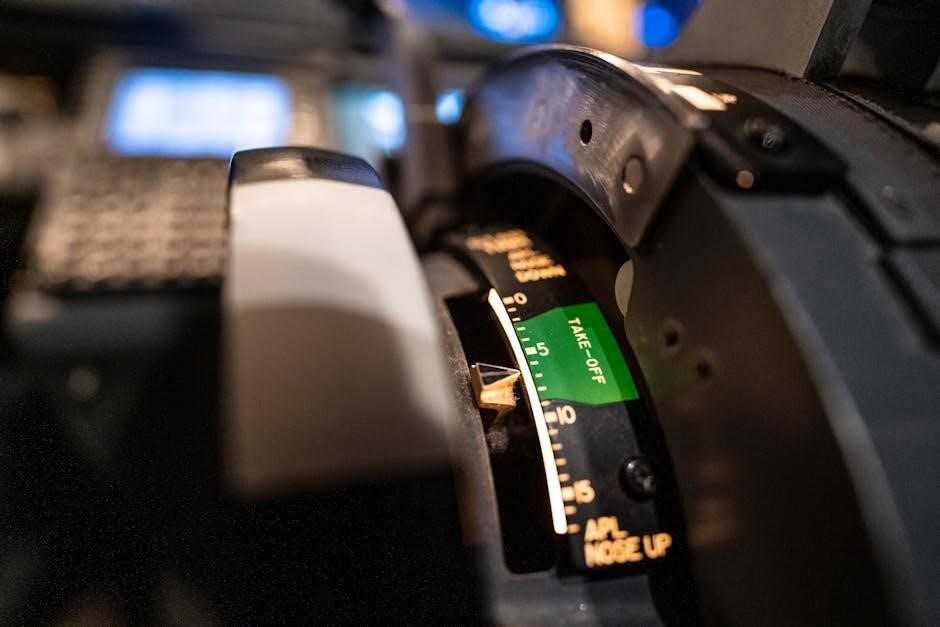
Thoroughly examine both shift and throttle cables for any signs of deterioration. Look for kinks‚ cracks‚ or fraying in the cable housing‚ as these can impede smooth operation and potentially lead to failure. Pay close attention to areas where the cable bends or passes through guides.
Inspect the cable ends for corrosion or damage to the retaining clips. Check the remote control unit and engine-side connections for wear on pivot points and linkages. Early detection of wear allows for timely replacement‚ preventing unexpected control issues and ensuring continued safe operation.
Safety Precautions
Prioritize safety when working with Mercury throttle control systems. Always disconnect the battery’s negative terminal before commencing any work to prevent accidental electrical activation. Utilize appropriate tools for cable connections and adjustments‚ avoiding forceful methods that could cause damage.
Exercise caution to avoid damaging the cables during installation or adjustment; kinks or cuts compromise functionality. Be mindful of moving parts when testing the system post-adjustment. Proper safety practices minimize risk and ensure a secure and reliable boating experience.
Disconnecting Battery Before Work
Before initiating any work on the Mercury throttle control system‚ disconnecting the battery is paramount for safety. Specifically‚ detach the negative (-) terminal of the battery. This simple step prevents accidental engagement of the engine or electrical components during installation or adjustment procedures.
Failure to disconnect the battery could result in unintended throttle movement or electrical shock. Always verify the engine cannot start before proceeding. Reconnect the battery only after all adjustments and installations are complete and verified‚ ensuring a safe working environment.
Proper Tool Usage
Utilizing the correct tools is crucial when working with Mercury throttle control systems to prevent damage and ensure accurate adjustments. Employ appropriately sized wrenches and screwdrivers to avoid stripping fasteners or damaging cable connections.
Avoid using excessive force; instead‚ ensure a snug fit and proper engagement of the tool. Cable cutters designed for marine applications are essential for clean cuts without fraying. Lubricants specifically formulated for marine cables should be used‚ avoiding those that attract dirt or degrade rubber components.
Avoiding Cable Damage
Protecting throttle and shift cables from damage is paramount for reliable operation and longevity. Avoid sharp bends or kinks during installation and adjustment‚ as these weaken the cable strands. Ensure cables aren’t routed near hot engine components or sharp edges that could cause abrasion.
Regularly inspect cables for signs of fraying‚ corrosion‚ or wear. Never use pliers or other gripping tools directly on the cable housing‚ as this can crush or damage it. Proper lubrication minimizes friction and prevents internal cable damage‚ extending its lifespan significantly.