Totino’s Pizza Cooking Instructions: A Comprehensive Guide
Today’s date is January 1st, 2026, at 06:44:40. Dominos is innovating with mobile pizza delivery, while also focusing on recipe refinement and expansion plans.
Understanding Totino’s Pizza Varieties
Totino’s offers a diverse range of frozen pizzas, each with slightly different characteristics impacting optimal cooking. The classic Totino’s Party Pizza, a long-time favorite, is known for its thin crust and generous toppings. These generally require shorter baking times compared to thicker-crust options.
Beyond the Party Pizza, Totino’s also features Bold & Spicy varieties, often incorporating pepperoni and jalapeños. These may benefit from a slightly higher oven temperature to ensure the toppings are heated through and the flavors meld effectively. Totino’s also produces pizzas with different cheese blends and sauce profiles, influencing the overall cooking experience.
Recent trends, as observed with Domino’s focus on recipe innovation, suggest consumer demand for variety. While Totino’s doesn’t publicly detail its recipe secrets like Domino’s, understanding the base characteristics of each variety – crust thickness, topping density, and sauce type – is crucial for achieving the best results. Paying attention to these nuances will elevate your Totino’s pizza experience, ensuring a perfectly cooked and satisfying meal.
Unboxing and Initial Inspection
Before embarking on the cooking process, a thorough unboxing and inspection of your Totino’s pizza is essential. Carefully remove the pizza from its packaging, noting any signs of damage to the box itself, which could indicate potential issues with the product. Inspect the pizza visually for any displaced toppings or compromised structural integrity.
Ensure the pizza is fully frozen; a partially thawed pizza will require adjusted cooking times and may not achieve the desired crispness. Check the ingredient distribution – are the toppings evenly spread? This impacts consistent heating. Like Domino’s commitment to quality control, a quick visual assessment helps ensure a positive outcome.
Pay attention to the cheese coverage; insufficient cheese might lead to a dry pizza. Also, verify that the pizza isn’t stuck to the cardboard – gentle separation is key. If the pizza appears significantly smaller than expected, or if any unusual odors are present, it’s best to err on the side of caution. A proper initial inspection sets the stage for a perfectly cooked Totino’s pizza.
Oven Baking: The Standard Method
Oven baking remains the most popular and generally recommended method for cooking Totino’s pizza, delivering a consistently crispy crust and thoroughly melted cheese. Begin by preheating your oven – this is crucial for even cooking. While specific temperatures vary (see ‘Optimal Oven Temperature’), a standard starting point is 375°F (190°C).
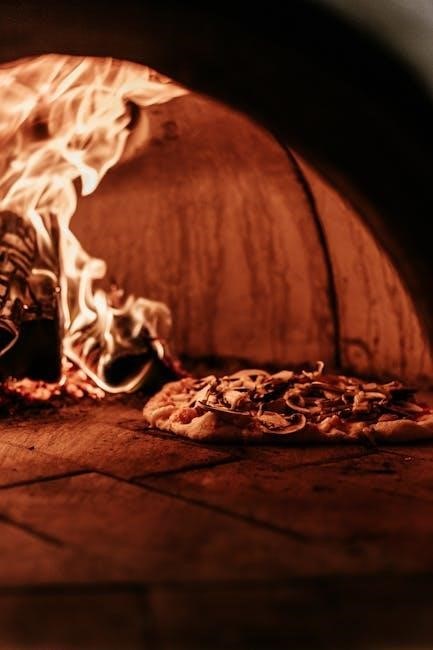
Place the frozen Totino’s pizza directly onto a baking sheet or, for enhanced crispness, a pizza stone (see ‘Using a Pizza Stone or Baking Sheet’). Avoid using parchment paper, as it can hinder the crust from achieving its optimal texture. Ensure the pizza isn’t overcrowded on the baking sheet; allow for adequate air circulation.
Baking time will depend on the pizza’s size and your oven’s calibration (see ‘Baking Time Guidelines’). Similar to Domino’s focus on consistent baking, monitoring the pizza’s progress is key. Regularly check for visual cues of doneness, such as a golden-brown crust and bubbling cheese. This method provides a balance between convenience and quality, mirroring the care taken in commercial pizza preparation.
Optimal Oven Temperature
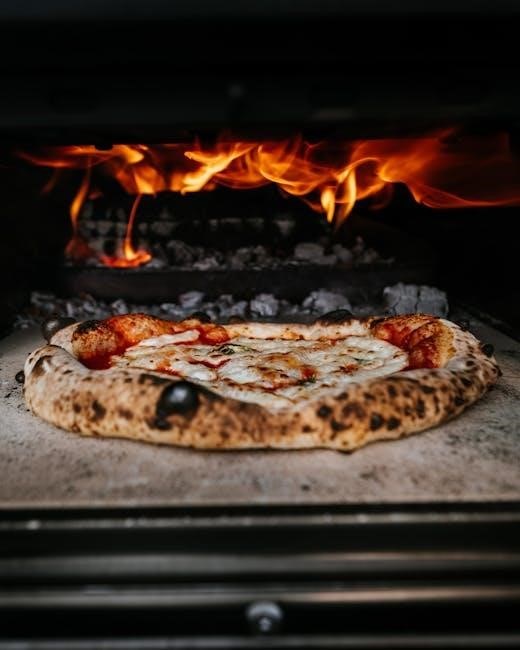
Determining the optimal oven temperature is paramount for achieving the best results when baking Totino’s pizza. While the packaging typically recommends 375°F (190°C), slight adjustments can significantly impact the final product. For a crispier crust, consider increasing the temperature to 400°F (204°C), but closely monitor to prevent burning.
Lower temperatures, around 350°F (177°C), are suitable for thicker-crust varieties or if you prefer a softer texture. However, this may necessitate a longer baking time. Consistency, much like Domino’s recipe control, is key. Ensure your oven is accurately calibrated; an oven thermometer is a valuable tool.
Variations in oven models can also influence the ideal temperature. Convection ovens generally cook faster and more evenly, potentially requiring a temperature reduction of 25°F (14°C). Experimentation within a reasonable range is encouraged to find the sweet spot for your specific oven and preferred level of crispness. Remember, a slightly higher temperature often yields a superior, more satisfying pizza experience.
Baking Time Guidelines
Generally, Totino’s pizza requires approximately 12-15 minutes of baking time at 375°F (190°C). However, these are merely guidelines, and several factors can influence the precise duration needed for optimal cooking. Pizza size plays a crucial role; larger pizzas will naturally require longer baking times than smaller ones. Similarly, the thickness of the crust impacts cooking duration – thicker crusts need more time to bake through.
Begin checking for doneness around the 10-minute mark. Visual cues, such as a melted and bubbly cheese layer and a golden-brown crust, are excellent indicators. If the cheese is melted but the crust remains pale, continue baking for a few additional minutes. Like Domino’s consistent delivery, timing is essential.
Oven variations also necessitate adjustments. Convection ovens may reduce baking time by 2-3 minutes, while older or less efficient ovens might require a longer duration. It’s always better to err on the side of caution and check frequently to avoid overbaking, which can result in a dry and brittle pizza. Consistent monitoring ensures a perfectly cooked Totino’s pizza every time.
Using a Pizza Stone or Baking Sheet
For enhanced crispiness, consider utilizing a pizza stone or baking sheet when preparing your Totino’s pizza. A pizza stone, preheated in the oven for at least 20 minutes, mimics a professional pizza oven’s heat retention, resulting in a remarkably crispy crust. Carefully slide the frozen pizza onto the hot stone to initiate the baking process, similar to Domino’s efficient operations.
If a pizza stone isn’t available, a baking sheet serves as a viable alternative. Lightly grease the baking sheet with cooking spray or line it with parchment paper to prevent sticking. This ensures easy removal and cleanup. While a baking sheet doesn’t offer the same level of heat retention as a stone, it still provides a more even cooking surface than directly placing the pizza on the oven rack.
Regardless of your chosen method, avoid overcrowding the oven. Ensure sufficient space around the pizza for proper heat circulation. This promotes even cooking and prevents a soggy bottom. Remember, consistent heat distribution is key to achieving a delightful, crispy Totino’s pizza experience.
Checking for Doneness: Visual Cues
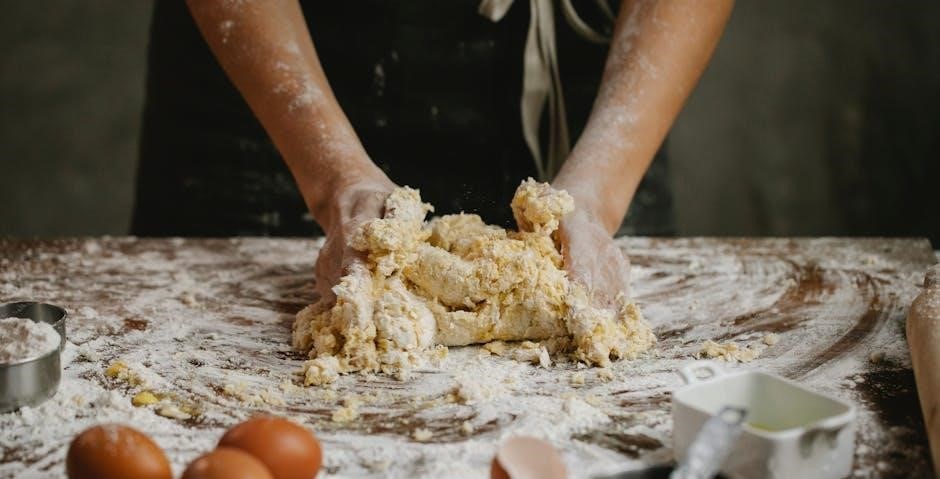
Determining when your Totino’s pizza is perfectly cooked relies on observing key visual cues. The cheese should be fully melted and bubbly, exhibiting a slight golden-brown color. This indicates the internal temperature has reached a sufficient level for safe consumption and optimal flavor, mirroring the quality control seen in Domino’s operations.
The crust’s appearance is equally important. It should be golden brown and firm to the touch. A slightly darkened edge signifies a desirable level of crispness. Avoid relying solely on time; oven variations can significantly impact cooking duration. Regularly check the pizza during the final minutes of the recommended baking time.
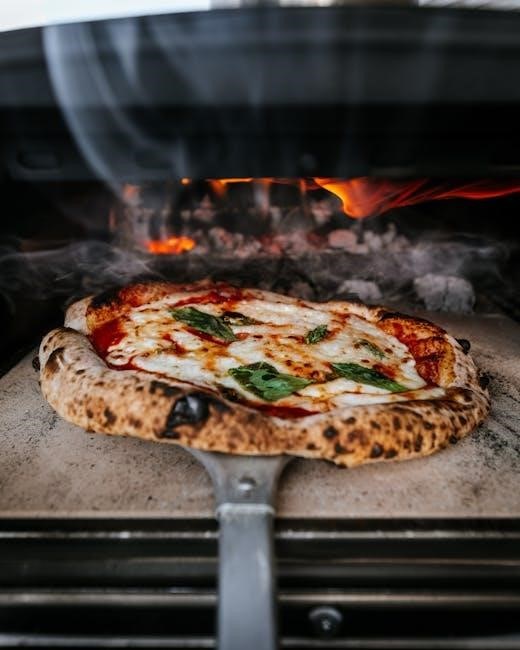
If the cheese is melted but the crust lacks color, briefly increase the oven temperature or move the pizza to a higher rack. Conversely, if the crust is browning too quickly, reduce the temperature or cover the edges with foil. Trust your eyes and use these visual indicators to ensure a perfectly cooked Totino’s pizza every time.
Microwave Cooking: A Quick Option
For a speedy meal, microwave cooking offers a convenient alternative to oven baking for your Totino’s pizza. However, be aware that microwaving typically results in a softer crust compared to oven-baked results. Begin by placing the frozen pizza directly onto a microwave-safe plate – no preheating is necessary.
Microwave power levels vary, so adjust cooking times accordingly. A general guideline is to cook on high for approximately 3-5 minutes, but this can fluctuate based on your microwave’s wattage. Start with 3 minutes and check for doneness, adding 30-second intervals until the cheese is melted and bubbly.
To help prevent a soggy crust, consider placing a paper towel underneath the pizza to absorb excess moisture. While not achieving the crispness of oven baking, this method delivers a quick and satisfying Totino’s pizza experience, mirroring the fast-paced service innovations seen with Domino’s mobile delivery.
Microwave Power Levels and Times
Achieving perfectly microwaved Totino’s pizza hinges on understanding your microwave’s power output. Most microwaves operate between 600 and 1200 watts, significantly impacting cooking times. For a 700-watt microwave, a typical cooking time is 3-4 minutes on high. If your microwave is 1000 watts or higher, reduce the initial cooking time to 2-3 minutes, checking frequently.
Always begin with the lower end of the time range and add increments of 30 seconds. Overcooking leads to a tough, rubbery pizza, while undercooking leaves the cheese unmelted. Remember, Totino’s pizzas are frozen, requiring sufficient heat penetration.
Consistent monitoring is key. Similar to Domino’s focus on recipe precision, careful attention to power levels and timing ensures optimal results. A paper towel beneath the pizza can absorb moisture, aiding in a slightly less soggy crust. Adjustments may be needed based on the specific Totino’s variety and your microwave’s performance.
Toaster Oven Instructions
Utilizing a toaster oven offers a compelling alternative to conventional ovens or microwaves for cooking Totino’s pizza. Preheat your toaster oven to 375°F (190°C). This temperature strikes a balance between thorough heating and preventing excessive browning, mirroring the careful temperature control Domino’s employs in their ovens.
Place the Totino’s pizza directly on the toaster oven rack or a small baking sheet. Baking time typically ranges from 8-12 minutes, but closely monitor the pizza after 8 minutes. Rotate the pizza halfway through cooking for even heating.
Toaster ovens often have varying heat distributions, so observing the cheese melt and crust browning is crucial. A slightly crispier crust is generally achieved in a toaster oven compared to microwaving. Like adjusting for microwave wattage, slight time modifications may be necessary based on your specific toaster oven model. Consistent observation, similar to monitoring sales growth as Domino’s does, is key to perfect results.
Adjusting Cooking Times for Different Sizes
Totino’s pizzas come in various sizes, necessitating adjustments to cooking times for optimal results. Smaller, personal-sized pizzas generally require less time than larger family-sized options. When oven baking, a personal pizza might be done in 10-12 minutes at 375°F (190°C), while a larger one could take 15-18 minutes.
For microwave cooking, reduce the time proportionally. A smaller pizza might only need 2-3 minutes on high, whereas a larger one could require 4-5 minutes. Always check for doneness – melted cheese and a warm crust – before consuming. Similar to Domino’s adapting to market demands, adjusting cooking times is crucial.
Toaster ovens also require adjustments. Smaller pizzas may cook in 6-8 minutes, while larger ones could take 10-14. Regularly monitoring the pizza’s progress is vital, as toaster oven heat distribution can vary. Remember, consistent observation, like tracking sales figures, leads to the best outcome.
Adding Extra Toppings Before Baking
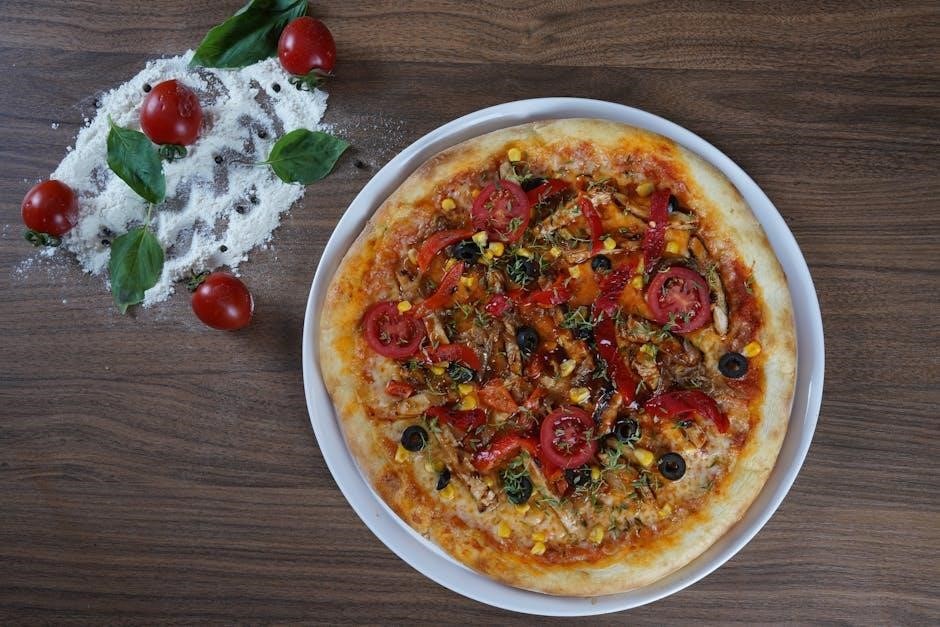
Enhancing your Totino’s pizza with extra toppings is a fantastic way to personalize your experience! Before baking, feel free to add your favorite ingredients – pepperoni, sausage, mushrooms, onions, peppers, or even pineapple. However, moderation is key; overloading the pizza can lead to uneven cooking and a soggy crust.
When adding toppings, distribute them evenly across the pizza’s surface. Heavier toppings, like sausage, should be placed directly on the cheese to help them adhere during baking. Lighter toppings, such as sliced vegetables, can be layered on top of the cheese. Consider the moisture content of your additions; excess moisture can contribute to sogginess, mirroring challenges Domino’s faces with ingredient freshness.
If using pre-cooked toppings, they’ll simply heat through during baking. Raw meats, like sausage, should be fully cooked before adding to ensure food safety. Remember to adjust baking time slightly if adding a significant amount of toppings, adding a minute or two to ensure everything is heated through.
Troubleshooting: Common Cooking Issues
Encountering issues while cooking your Totino’s pizza? A common problem is an unevenly cooked pizza, often stemming from inconsistent oven temperatures. Ensure your oven is properly preheated and calibrated. Another frequent issue is a soggy crust, particularly when using a microwave or adding moisture-rich toppings. To combat this, consider pre-baking the crust for a few minutes before adding toppings, or utilizing a pizza stone.
If the cheese isn’t melting properly, your oven temperature might be too low, or the pizza isn’t baking long enough. Conversely, a burnt crust with unmelted cheese indicates the temperature is too high. Domino’s constantly refines its recipes, and you can too! Experiment with baking times and temperatures to find what works best for your oven.
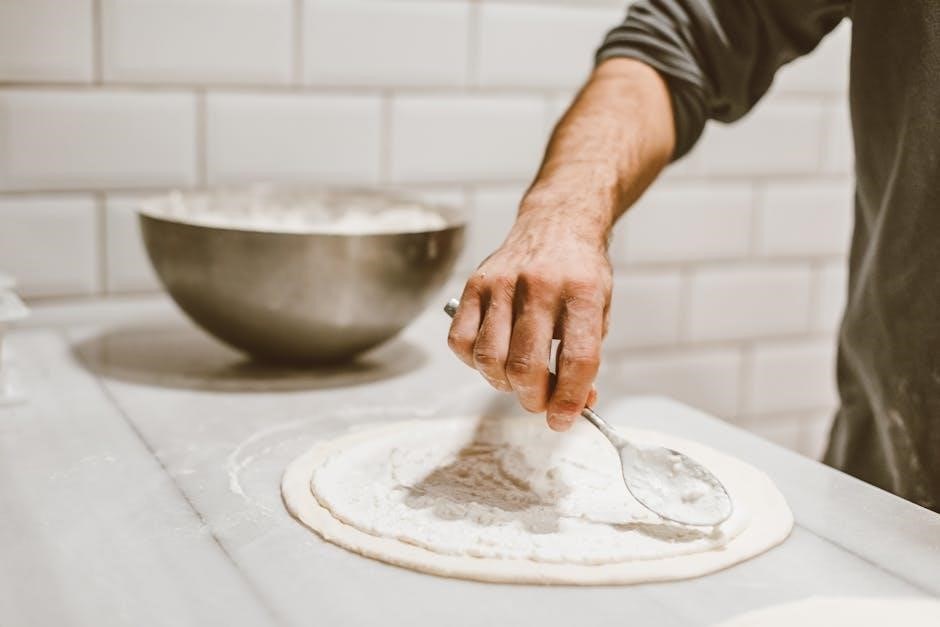
Finally, if the pizza sticks to the baking sheet, lightly grease it with cooking spray before placing the pizza on it. Addressing these common issues will ensure a delicious Totino’s pizza experience, much like Domino’s strives for consistent quality.
Preventing a Soggy Crust
A soggy crust is a frequent frustration when enjoying Totino’s pizza, but easily avoidable with a few simple techniques. The primary culprit is moisture from the sauce and toppings. To minimize this, consider lightly pre-baking the crust for 3-5 minutes before adding your desired ingredients. This creates a barrier against moisture absorption.
When using a baking sheet, avoid overcrowding, allowing for proper air circulation. A pizza stone is an excellent alternative, as it draws moisture away from the crust, resulting in a crispier base – much like the techniques Domino’s employs for consistent quality. Avoid adding excessively wet toppings like fresh tomatoes or pineapple without first patting them dry.
Furthermore, ensure the pizza isn’t directly on the rack, as this can trap steam. Proper oven temperature and baking time are also crucial; underbaking leaves the crust vulnerable to sogginess. Following these steps will help you achieve a delightfully crisp Totino’s pizza, rivaling even Domino’s best offerings.
Achieving a Crispy Crust
For a truly satisfying Totino’s pizza experience, a crispy crust is paramount. Several methods can elevate your pizza from soft to delightfully crunchy. Utilizing a pizza stone is highly recommended; its porous nature draws moisture away, promoting even heat distribution and a superior crisp. If a stone isn’t available, a preheated baking sheet works well, but ensure it’s thoroughly heated before placing the pizza upon it.

Optimizing oven temperature is key – a slightly higher temperature (within the recommended range) can encourage quicker crust crisping. Lightly brushing the crust with olive oil before baking adds a subtle flavor and enhances browning. Domino’s success hinges on consistent execution, and a crispy crust is a cornerstone of that consistency.
Avoid overloading the pizza with toppings, as excess moisture can hinder crisping. Finally, consider a brief broil during the last minute of baking, carefully monitoring to prevent burning. These techniques, combined with proper baking time, will deliver a Totino’s pizza with a satisfyingly crispy crust.
Safety Precautions When Handling Hot Pizza
Handling a freshly baked Totino’s pizza requires caution due to its high temperature. Always utilize oven mitts or heat-resistant gloves when removing the pizza from the oven or handling the hot baking sheet or pizza stone. Direct contact with hot surfaces will cause burns.
Be mindful of escaping steam when opening the pizza box or cutting into the pizza; steam can cause significant burns. Allow the pizza to cool for a few minutes before attempting to slice or serve it. Use a pizza cutter or sharp knife with a secure grip to avoid slips and potential injuries.
Supervise children closely when pizza is being served, ensuring they understand the dangers of hot surfaces and steam. Domino’s prioritizes food safety, and similar care should be taken at home. Place hot pizza on a stable, heat-resistant surface to prevent accidental tipping or spills. Remember, a delicious pizza isn’t worth a painful burn!
Serving Suggestions and Pairings
Once your Totino’s pizza is perfectly cooked and slightly cooled, consider enhancing the experience with complementary sides and beverages. A crisp garden salad with a light vinaigrette provides a refreshing contrast to the rich pizza flavors. Alternatively, a side of steamed or roasted vegetables adds nutritional balance;
For beverages, a classic pairing is a chilled soda, such as cola or root beer. Iced tea, both sweetened and unsweetened, also complements pizza well. If you prefer an adult beverage, a light beer or a glass of Italian red wine can elevate the meal. Domino’s understands the importance of a complete dining experience, and you can create one at home too.
Don’t forget a sprinkle of red pepper flakes for those who enjoy a little heat! Dips like ranch or garlic butter can also add extra flavor. Enjoy your Totino’s pizza with friends and family for a fun and satisfying meal.
Storage of Leftover Totino’s Pizza
Properly storing leftover Totino’s pizza is crucial for maintaining its quality and ensuring food safety. Allow the pizza to cool completely before storing it. This prevents condensation from forming inside the container, which can lead to a soggy crust; Once cooled, transfer the slices to an airtight container or tightly wrap them in plastic wrap or aluminum foil.
Refrigerate the leftover pizza promptly, ideally within two hours of cooking. Stored correctly, it will remain safe to eat for up to 3-4 days. For longer storage, consider freezing the pizza. Wrap individual slices tightly in plastic wrap, then place them in a freezer-safe bag or container. Frozen pizza can last for up to 2 months.
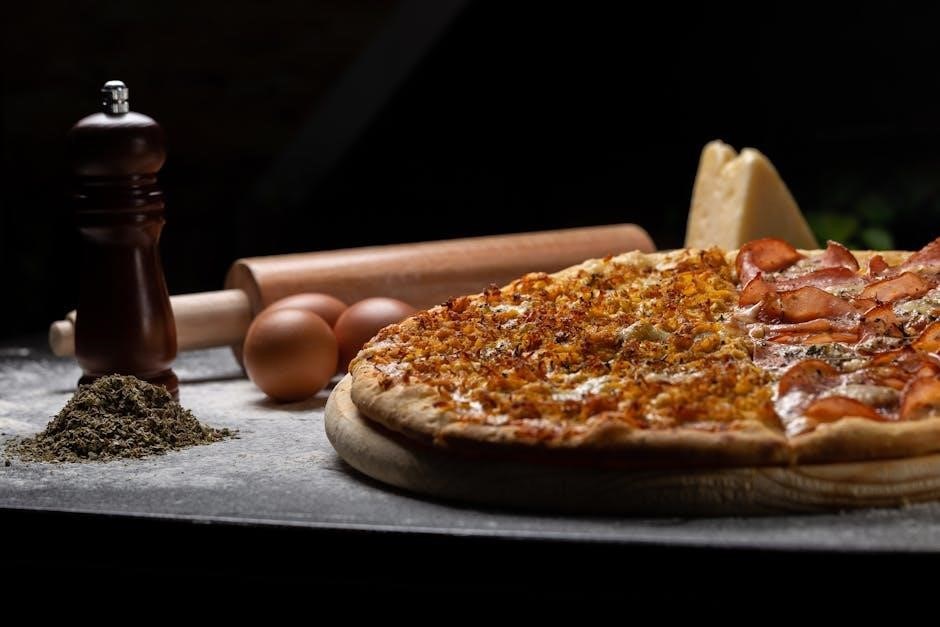
When reheating, a preheated oven or toaster oven is recommended for restoring crispness. Domino’s prioritizes freshness, but even their pizza benefits from proper storage. Remember to always check for any signs of spoilage before consuming.
Nutritional Information and Considerations
Totino’s pizza, while convenient, is a processed food and should be consumed as part of a balanced diet. Nutritional information varies depending on the specific variety and serving size, but generally, it’s high in sodium, fat, and carbohydrates. A single serving can contribute significantly to your daily recommended intake of these nutrients.
Pay attention to the serving size listed on the packaging. It’s easy to consume more than one serving, increasing your caloric and sodium intake. The pizza contains processed meats and cheeses, which contribute to its fat content. Consider pairing Totino’s pizza with a side salad or vegetables to increase your nutrient intake and balance the meal.
Dominos, like Totino’s, offers nutritional information online. Being mindful of portion control and incorporating healthier choices alongside your pizza can help mitigate potential health concerns. Always review the product label for the most accurate and up-to-date nutritional details.